Introduction to Amazon Liquidation Pallets
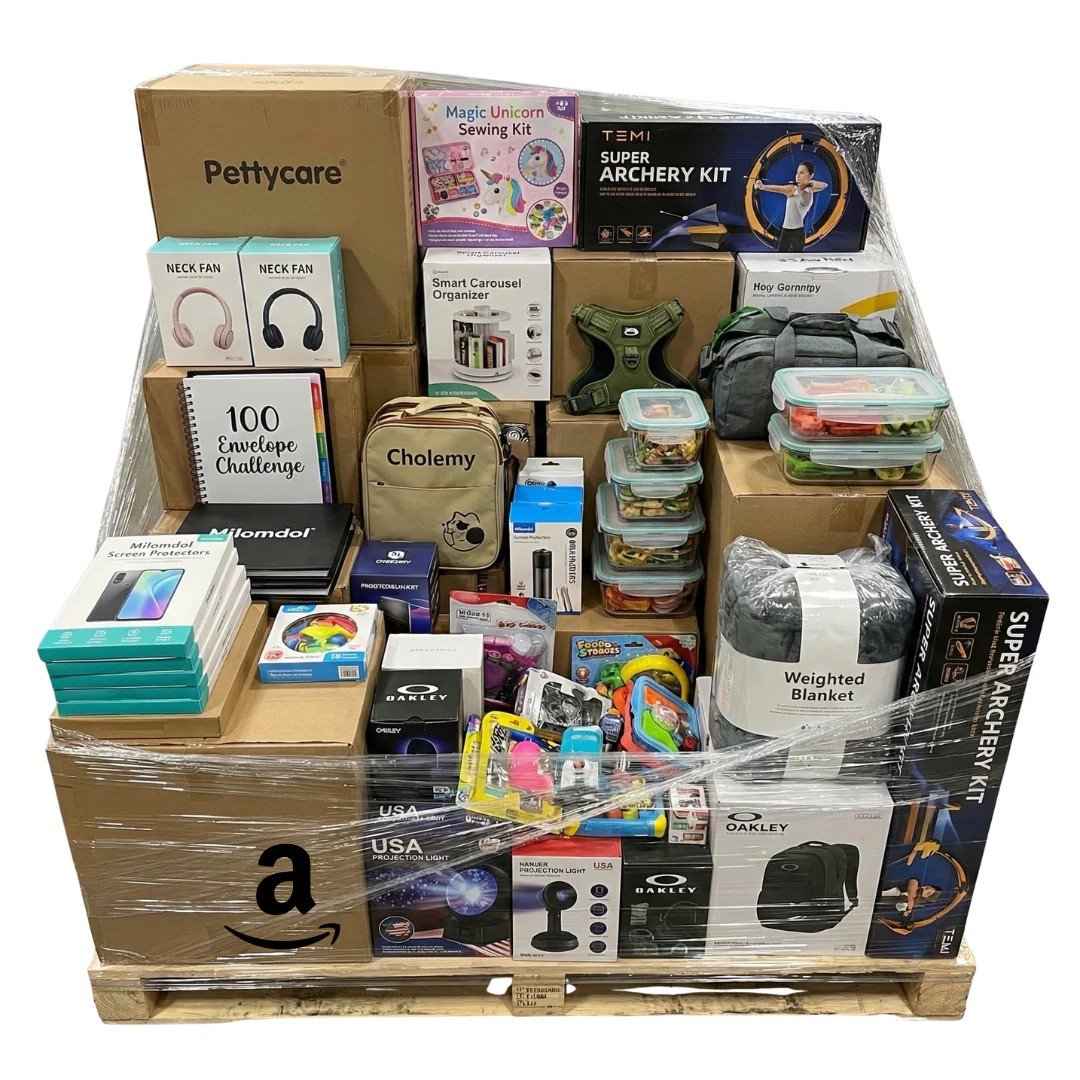
Amazon liquidation pallets are collection of unsold or returned merchandise that have been compiled into bulk lots and made available for purchase at significantly reduced prices. These pallets generally contain a diverse range of items, including electronics, household goods, clothing, and even seasonal products. Essentially, they serve as an opportunity for resellers and shoppers to acquire goods at a fraction of their retail value.
One of the primary reasons for the rising popularity of buying liquidation pallets lies in the potential for profit. Resellers can purchase these pallets, often without knowing the exact contents, and then resell individual items for a profit online or at flea markets. The thrill of unboxing these pallets adds to the excitement; each purchase is like a mystery box filled with possibilities. This aspect attracts individuals who enjoy the hunt for valuable merchandise that might lead to considerable earnings.
Apart from the financial allure, buying liquidation pallets also appeals to consumers interested in sustainable shopping practices. By purchasing undelivered or returned items, these individuals contribute to reducing waste. Many of the products are still in good condition, making them a more environmentally conscious choice compared to new items. This blend of profit potential and sustainability significantly enhances the attractiveness of liquidation pallets in today’s market.
Thus, when considering where to buy Amazon liquidation pallets, one should keep in mind the enticing blend of surprise, sustainability, and profitability that accompanies these purchases. As the trend grows, myriad options for sourcing these pallets become available, catering to the interests of various types of shoppers.
Understanding Liquidation Pallets
Liquidation pallets consist of a collection of goods that have been returned, overstocked, or deemed unsellable due to minor damages. Retailers and wholesalers often need to clear their inventory to make space for new products, leading to the creation of these pallets. Each pallet typically contains a variety of items, ranging from electronics and home goods to clothing and toys. As an alternative to traditional retail purchasing, many buyers find liquidation pallets to be an appealing option, given their potential for substantial savings and diverse product offerings.
Returned items are a major source of liquidation pallets. When consumers return products, retailers may choose to sell these items in bulk through liquidation rather than restocking them on shelves. Overstock occurs when retailers overestimate the demand for certain products, resulting in excess inventory that must be sold at discounted prices. Damaged goods, which can happen during transportation, might also be included in liquidation pallets. Typically, the damage is minor and can be easily repaired, making these items valuable to buyers willing to invest a little extra effort.
Different types of liquidation pallets are available in the market. For example, general merchandise pallets often include a mixed assortment of items, while category-specific pallets may focus on electronics or clothing. Additionally, there are wholesale liquidation pallets, which cater to smaller retailers looking to stock their shelves at a fraction of the retail price. Buyers must assess the quality and potential value of these pallets carefully, ensuring they understand the contents and their overall condition before making a purchase. By recognizing the various types and sources of liquidation pallets, potential buyers can make informed decisions and capitalize on the opportunities they present.
Benefits of Buying Liquidation Pallets
Purchasing liquidation pallets offers several distinct advantages for consumers and resellers alike. One of the primary benefits is the significant cost savings compared to traditional retail prices. These pallets typically contain a variety of items that retailers are looking to clear out, making them available at a fraction of their original cost. This presents an excellent opportunity for savvy shoppers and resellers, who may acquire products for resale at a premium, thus creating a profitable business model.
Another appealing aspect of buying liquidation pallets is the thrill of uncovering hidden gems. Each pallet is a surprise box that can contain anything from electronics and household goods to clothing and luxury items. This element of surprise not only enhances the purchasing experience but also makes it fun and engaging for those who enjoy treasure hunting. Furthermore, the ability to locate and resell high-demand items can lead to substantial financial gains for entrepreneurs.
In addition to financial benefits, there are also noteworthy environmental advantages associated with buying liquidation merchandise. By purchasing these products, individuals contribute to reducing waste and minimizing the demand for new goods. This practice promotes a more sustainable shopping behavior, encouraging the reuse of products that might otherwise end up in landfills. As consumers become more conscious of their environmental footprint, opting for liquidation pallets aligns with a growing trend toward eco-friendly purchasing options. In this sense, buying liquidation pallets not only benefits the buyer economically but also supports broader sustainability goals.
Where to Find Liquidation Pallets in the USA
In the quest to acquire Amazon liquidation pallets, there are various sources available across the United States that cater to both individuals and businesses looking to purchase discounted merchandise. These sources include direct liquidation companies, online marketplaces, and local auction houses, each offering unique advantages and potential drawbacks.
First, direct liquidation companies serve as primary suppliers of liquidation pallets. They often have agreements with retailers to handle surplus inventory, allowing buyers to purchase large quantities directly from the source. Companies such as Direct Liquidation and Liquidation.com are notable examples. The major advantage here is the reliability and authenticity of the merchandise, which is often sourced directly from major retailers. However, the minimum order requirements can be high, making it less suitable for individual buyers.
Online liquidation marketplaces have gained prominence in recent years, providing a platform for buyers to browse and bid on liquidation pallets. Websites like B-Stock and Bulq meet a wide range of buyer needs, offering various categories of products from electronics to clothing. These platforms usually charge a bidding fee, which can increase the final price of the pallets. Nevertheless, they provide considerable options, allowing buyers to select pallets based on product categories, shipping costs, and condition.
Additionally, local auction houses often conduct regular liquidation auctions, where buyers can bid on pallets filled with misfit or unsold stock from retailers. This option allows for potentially lower prices, but it requires thorough research into the auction house’s reputation and practices. Buyers must be cautious as the quality and quantity of products can be unpredictable.
By exploring these diverse sources, individuals and businesses can effectively locate Amazon liquidation pallets in the USA, cater to their buying needs, and navigate the complexities that come with purchasing liquidation inventory.
How to Buy Liquidation Pallets Safely
Purchasing liquidation pallets can be an advantageous venture, but it is imperative to ensure safety and legitimacy in the buying process. One of the first steps to buying liquidation pallets safely is conducting thorough research on the seller. This includes checking their reputation, understanding their history in the liquidation market, and determining their reliability in fulfilling orders. Reputable sellers often have positive reviews from past customers, which can be found on various platforms, including their own websites and review sites like Trustpilot or Yelp.
In addition to researching the seller, reading customer reviews is crucial. Reviews provide insight into other buyers’ experiences, helping you gauge the quality of the pallets and the seller’s service. Look for feedback on the selection of products, shipping timeliness, and communication effectiveness. A seller with consistent positive reviews is more likely to provide a satisfactory purchase experience.
Understanding the terms of sale is another critical aspect of safe purchasing practices. Buyers should carefully examine the conditions under which the liquidation pallets are sold. This includes information about shipping costs, any potential fees, and the specifics of what is included in the pallet. It is essential to ensure that these terms are transparent and clearly stated before making a commitment.
Furthermore, it is advisable to inquire about the return policies associated with the purchase. Knowing whether you can return unsatisfactory merchandise can provide peace of mind. Some sellers may offer guarantees on their products, which could protect buyers from major losses if the purchase does not meet expectations.
In conclusion, due diligence in researching sellers, comprehending sale terms, and understanding return policies can significantly mitigate risks when buying liquidation pallets. By taking these precautionary steps, buyers can make informed decisions and enjoy a more secure purchasing experience in the liquidation marketplace.
Evaluating the Value of Liquidation Pallets
When considering the purchase of liquidation pallets, it is essential to evaluate their potential value before making a financial commitment. Understanding the retail value of the products within the pallet is a critical first step. This involves not only assessing the overall worth of the items but also determining their condition and compatibility with market demands. Knowledge of standard retail prices will empower buyers to gauge whether the pallet is a worthwhile investment.
Another important aspect is to identify brand names included in the liquidation pallets. Well-known brands often indicate higher resale potential, as consumers may be more inclined to purchase familiar items. Products from reputable brands tend to maintain their value better than obscure or lesser-known alternatives, making them a more lucrative focus for resale. Thus, creating a checklist of desirable brands in your niche can streamline the evaluation process.
Additionally, it is equally important to recognize what to avoid when purchasing liquidation pallets. Items that are damaged, outdated, or have high return rates should be red flags. Furthermore, products that are subject to safety recalls or pose potential liability issues can lead to significant challenges for resellers. Thorough research on product recalls and market trends will ensure a more informed decision.
In summary, evaluating the value of liquidation pallets requires a multifaceted approach, combining assessments of retail value, brand recognition, and awareness of undesirable products. By employing these strategies, buyers can enhance their chances of making successful purchases that contribute positively to their resale endeavors.
Best Practices for Reselling Liquidation Items
Reselling items sourced from liquidation pallets can be a profitable venture if approached with a strategic mindset. To maximize returns, it is essential to adopt best practices that encompass various elements of selling, from platform selection to pricing strategies and inventory management.
When it comes to platforms for selling liquidation items, consider a diverse range of options. Online marketplaces such as eBay and Amazon are popular choices due to their extensive reach and established customer base. Additionally, local platforms like Facebook Marketplace, OfferUp, and Craigslist allow for direct transactions without shipping costs. Furthermore, niche-focused websites such as Poshmark for clothing or Reverb for musical instruments can also attract buyers specifically interested in those categories.
Pricing strategies play a crucial role in reselling liquidation items. Conducting thorough market research is essential to understand the current pricing trends for similar products. Setting competitive yet profitable prices requires balancing the cost of acquisition, expected profit margin, and market demand. Utilizing pricing tools and calculators available online can further aid in determining the optimal price point. It is equally important to be flexible with pricing; consider offering discounts or bundled deals to attract more buyers while ensuring profit margins are still met.
Effective inventory management is another vital aspect of reselling liquidation items. Keeping track of stock levels, sales patterns, and seasonal trends can help streamline the selling process. Implementing inventory management software or simple spreadsheets can provide valuable insights into what items sell quickly and which ones linger, allowing you to optimize your purchasing decisions in the future. Properly categorizing items and maintaining a clear storage system will also enhance efficiency when fulfilling orders.
By investing time in learning and implementing these best practices, resellers can significantly increase their chances of success in the liquidation market.
Potential Risks and Considerations
Purchasing Amazon liquidation pallets in the USA can be a lucrative venture; however, it is not without its potential risks and considerations. One of the primary concerns is hidden damages. Many products in liquidation pallets may appear new but could have defects that are not immediately visible. These defects can significantly affect the resale value of the items, leading to unexpected financial losses.
Another risk lies in the nature of the items included in liquidation pallets. It is possible that a buyer may receive products that are difficult to sell or that do not align well with current market demands. Items may be outdated, damaged, or otherwise undesirable to consumers, thereby limiting the potential for profit. To mitigate this risk, buyers should conduct thorough research on the types of products typically found in liquidation pallets. Understanding market trends and consumer preferences is essential.
Additionally, the potential for losses is a vital consideration when investing in liquidation pallets. There is a possibility that the total value of the items received may not meet expectations based on the initial purchase price. To protect against this, prospective buyers should develop a clear strategy for their investment. Setting a budget and sticking to it can help prevent overspending. Furthermore, buyers should consider starting with a smaller investment to gain experience and better understand the process before committing to larger purchases.
In conclusion, while buying Amazon liquidation pallets can offer lucrative opportunities, it is imperative to recognize and strategize around the associated risks. By being aware of hidden damages, the potential for unsellable items, and the risk of losses, buyers can make more informed decisions and increase their chances of success in this competitive marketplace.
Conclusion: The Future of Buying Liquidation Pallets
As we have explored throughout this blog post, the trend of buying liquidation pallets in the USA is on the rise, driven by increasing interest in e-commerce and sustainable shopping practices. Liquidation pallets provide an opportunity for individuals and small businesses to acquire products at significantly reduced prices. This can lead to profitable reselling opportunities and the potential for substantial returns on investment.
Moreover, the accessibility of platforms and suppliers has revolutionized how consumers source liquidation pallets. Various online marketplaces, auction sites, and liquidation companies have emerged to cater to this demand, offering a diverse array of products across different categories. Buyers can choose from different conditions such as like-new, refurbished, or used, catering to different business models and customer preferences.
However, it is essential for prospective buyers to undertake thorough research before making any purchases. Understanding market trends, evaluating the quality of products, and identifying credible suppliers are vital steps to ensuring success in this arena. Additionally, setting a clear budget and having a defined sales strategy can help mitigate risks associated with liquidation purchases.
The future of buying liquidation pallets seems promising, with more opportunities arising as retailers and wholesalers continue to look for effective ways to manage excess inventory. As more individuals recognize the potential of this market, it is likely we will see a further evolution of the industry, including the emergence of advanced tools and technologies that facilitate better sourcing and reselling experiences.
In conclusion, the growing trend of purchasing liquidation pallets in the USA presents exciting possibilities for entrepreneurs. By approaching this market with careful consideration and strategic planning, buyers can successfully navigate the complexities involved and take advantage of the significant potential benefits.